
Reconstructing Franklin County Former Owners
A backward chain grows one deed at a time from a known transfer. Each entry should keep its full citation. Record the grantor, grantee, dates, and legal description exactly as filed. Execution and recording dates serve different purposes. Never merge them. Never replace a legal description with a street address that may not have existed in the earlier period.
| Transfer date | Grantor to grantee | Instrument | Reference |
|---|---|---|---|
| Newest recorded date | Prior owner to current grantee | Deed type shown | Document number or book/page |
| Previous recorded date | Earlier owner to later owner | Deed, estate, commissioner, or sheriff instrument | Prior citation plus legal description |
| Earlier book entry | Historic grantor to historic grantee | Deed-book entry | Volume and page |
| Supporting year | Taxpayer or directory name | Tax list or directory entry | Year, page, and repository |
Keep facts and conclusions separate. A deed proves a recorded transfer only. Tax lists and city directories can bridge dates between deeds, but neither alone proves that a named person actually held title.
Start Franklin County Ownership History at the Newest Deed
The Franklin County Clerk land-record route leads to eCCLIX, the index for recorded property records. Find the newest deed matching the parcel. Note the grantor, grantee, instrument type, and recording date. Also note the book and page or document number, along with the legal description. A prior-record citation points straight back. That citation beats guessing from a surname. The Clerk publishes no firm earliest eCCLIX year. The eCCLIX availability selector shows how county coverage is confirmed without stating a local cutoff.
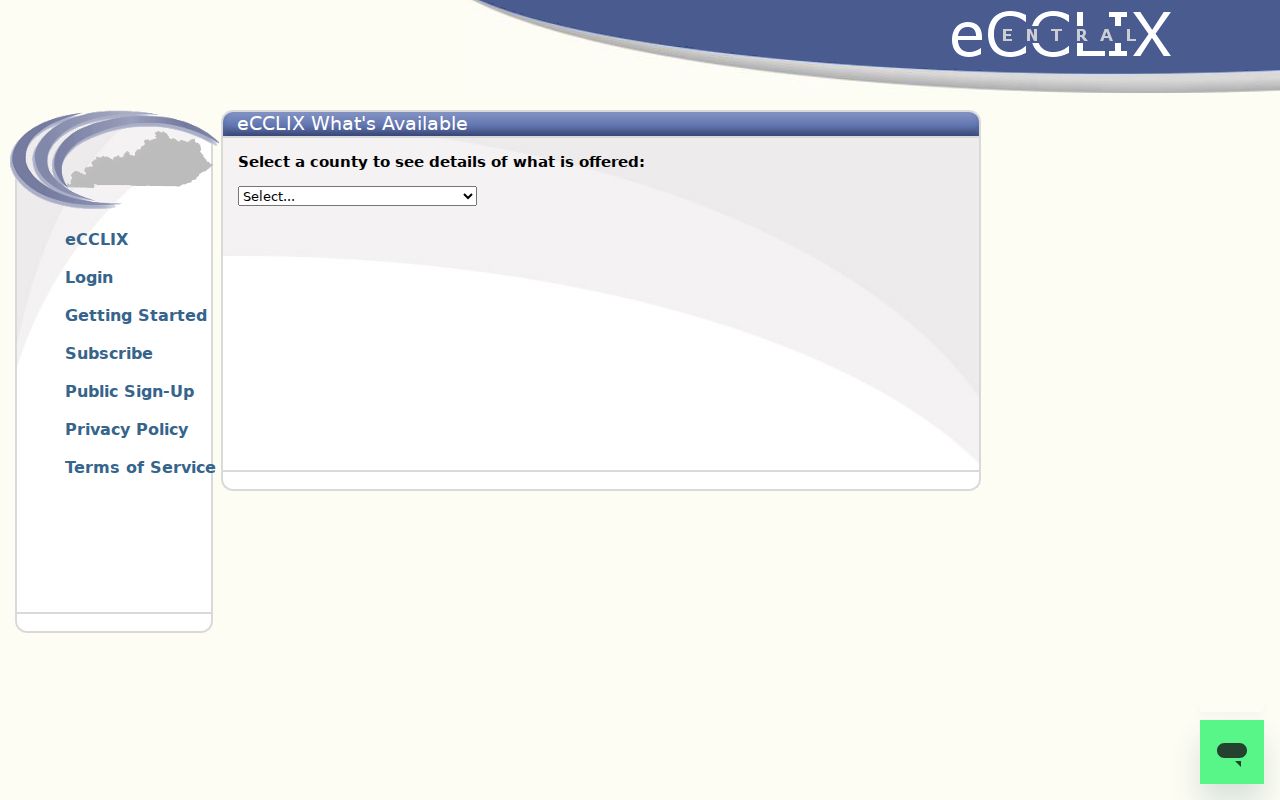
The availability selector leaves the earliest year an open question. No online start date should be claimed from it. A call to the Franklin County Clerk can settle how far the deed index and images actually reach. Note: Label the source date for every digital result. Online coverage and account rules can change without a new web address.
Read Franklin County's Ownership Chain in Reverse
KDLA teaches a two-sided deed method that uses both the grantor and grantee indexes. A grantee later becomes a grantor. Names still shift. Marriage, estates, trusts, corporations, and abbreviations all change how a party appears in the property records, so anchor each step in the land description and recorded citations rather than surnames alone.
- Open the newest matching deed and record its grantee, grantor, legal description, date, and prior reference.
- Search the named grantor as an earlier grantee. Compare every candidate's land description rather than choosing the first name match.
- Follow that earlier deed's prior citation and repeat. Search alternate spellings and exact entity or trust names.
- Check H, C, and S index marks for heirs, commissioner deeds, and sheriff deeds when an ordinary transfer appears absent.
- Carry the last verified book/page, party pair, and year into courthouse books or repository microfilm when the portal ends.
- Grantor
- The party who transferred the stated interest.
- Grantee
- The party who received that interest.
- Reverse index
- An index arranged by the transferring party, often paired with a grantee index.
- Chain of title
- The linked succession of recorded interests in the same land.
- Quitclaim deed
- A deed transferring whatever interest the grantor had, without the broad promises associated with a warranty deed.
Special Filings Behind Franklin County Previous Owners
A neat seller-to-buyer line is never guaranteed. Estate deeds, probate orders, corrections, commissioner deeds, sheriff deeds, mergers, and trust transfers may each explain the next name. Parcel splits may too. Releases, restrictions, easements, and plats add context. Lis pendens does the same. They conveyed no full ownership. Search both sides of the index. Test married names, initials, spelling variants, and full legal entity names. For an entity, the Kentucky Secretary of State business search can confirm a filed name. Status appears there too. That filing is not ownership. Match the entity to the deed itself. Note: A tax mailing name, assessment owner, or business filing answers a narrower question. A recorded conveyance answers more.
Franklin County Former Owners Back to 1795
Franklin County was formed in 1795 from Mercer, Shelby, and Woodford Counties. The KDLA land-record inventory lists Franklin deed microfilm covering 1795 through 2010. That is a repository range. It is no promise of online coverage. The same inventory lists tax books from 1795 through 2007, with gaps. A KDLA deed handout advises following prior references after 1890 and using tax lists as a cross-check before 1890. Tax lists can place a name. They can also date a tract. Entries may name only a taxpayer, aggregate land, or lack a modern parcel address.
Online cutoff unknown. Franklin County's earliest eCCLIX year was not exposed. Older former owners remain traceable through Clerk books, KDLA microfilm, tax books, and related files.
The Franklin County 1795-1807 Deed Catalog
The FamilySearch catalog lists Franklin County deeds from 1795 through 1807, with an index. Its description puts the originals at a Franklin County courthouse in Lexington. That clashes with county geography. Treat the location as unconfirmed metadata. Title and date range still guide a search. Ask the Franklin County Clerk or KDLA where the film or original is held. Record the catalog title, film information, deed-book reference, parties, and page. A catalog entry is only a pointer. It promises neither home images nor perfect indexing.
Bridge Franklin County Ownership Gaps with Other Records
Historic plats reconnect old lots to modern parcels. Probate and court files may explain why heirs, an executor, or a commissioner entered the ownership chain. Tax books supply year-by-year taxpayer clues. Restrictions and easements can preserve an old subdivision name. Street labels may have changed since. Anchor the search in the modern parcel, legal description, and current plat. A GIS map outline is only a guide. One historic tract may now be several tax parcels. For the instrument system itself, see the Franklin County deed records page. Note: No courthouse fire or broad record loss is on record, so a blank portal result should never become a loss claim.
Frankfort Directories Add an Address Timeline
The Kentucky Historical Society's Frankfort directory collection spans volumes from 1884-85 through 2006-07, though gaps dot the run. Each directory can pin a person, household, occupation, or business to an address in a given year. That makes a directory a fine companion to Franklin County property records. It cannot replace the deeds held by the county.
Visit KHS at 100 W Broadway in Frankfort, or call the library at 502-564-1792. When you call, give the year and the information you want. Then note the volume, page, printed address, and any abbreviation exactly as shown. Directory abbreviations differ from volume to volume. Check that volume's own key before trusting any reading of one.
Requesting Franklin County's Older Ownership Trail
Tracing an older owner of record in Franklin County usually starts with a records request. The KDLA request service handles deed, tax, and probate or will lookups. A nonrefundable search and copy charge runs $20 in state. Out-of-state requests cost $25 instead. Plan on four to six weeks for a reply. Scan, print, or postage costs may add to the total.
Whatever route you take, a precise request gets better results. Include the county, the record type, the date range, and the party names. Add a book and page or reel number if you have one. A legal-description clue helps too. The Franklin County Clerk keeps the local land records. The office sits at 315 W Main Street, Suite 11. It takes calls at 502-875-8702. When an online account or deed image fails, a targeted counter, phone, or written inquiry to the clerk still works.
How to State a Franklin County Former-Owner Finding
Label every finding with care. Write "grantee in the deed recorded on this date," or "taxpayer shown in this tax-book year," or "directory listing at this address." Phrasing like that preserves exactly what each source proves. An address listing is not a title conclusion. Never assume a spouse, occupant, or tax-mail recipient held ownership.
Former-owner research serves house histories, estate work, purchase diligence, and studies of how land changed hands. It must never be used to track, threaten, or harass anyone living. Leave sensitive personal details out of notes and publications. Include them only if they answer the property question at hand.